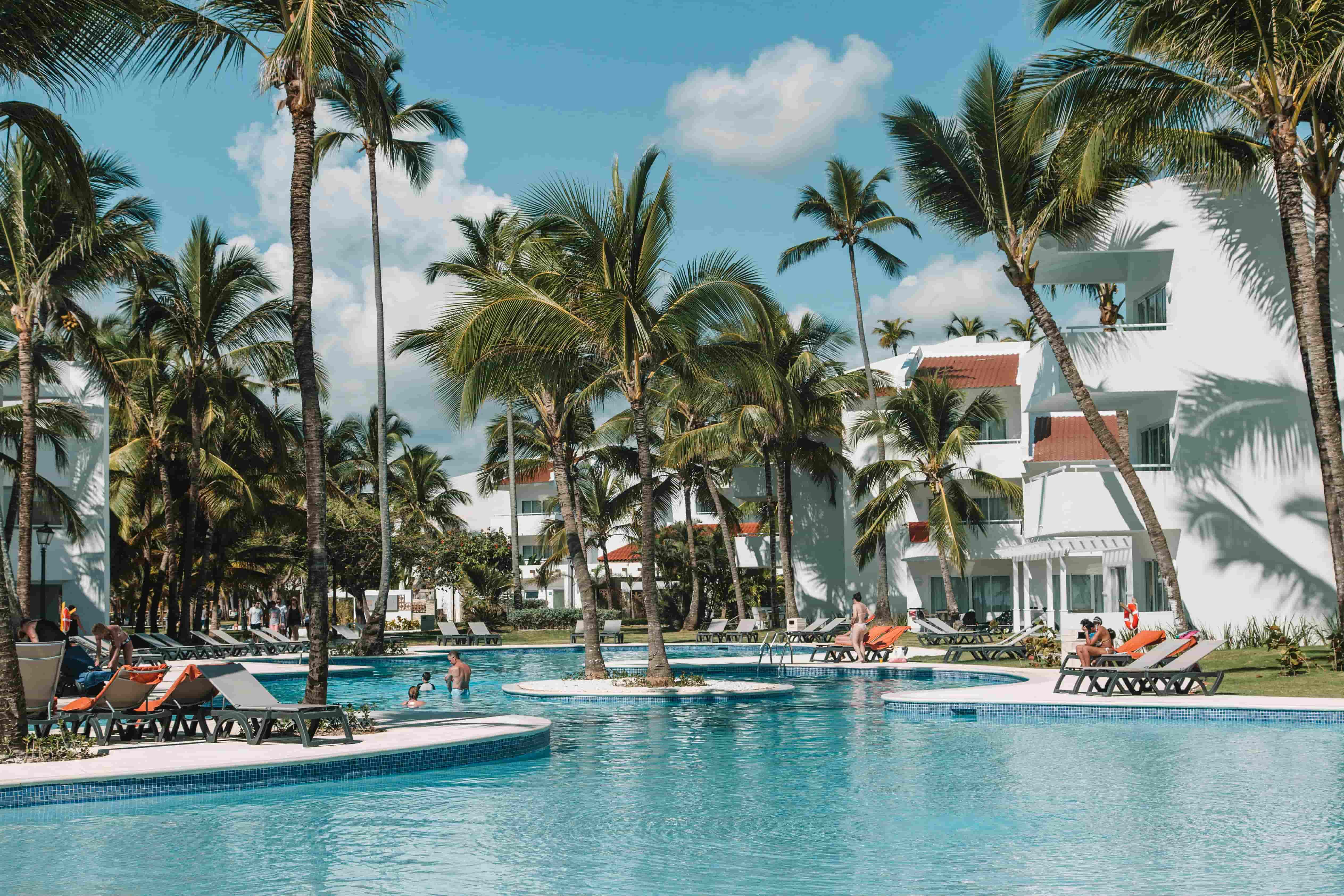
Eastern Coast
Punta Cana
18°36′N · 68°22′WEl mercado de inversión más líquido del Caribe.
$80,000–$180,000
Entry (1BR)
6–9%
Gross Yield
4–7% p.a.
5yr Cap. Growth
High
Liquidity
Medium RiskAnálisis completo→
Preferencias
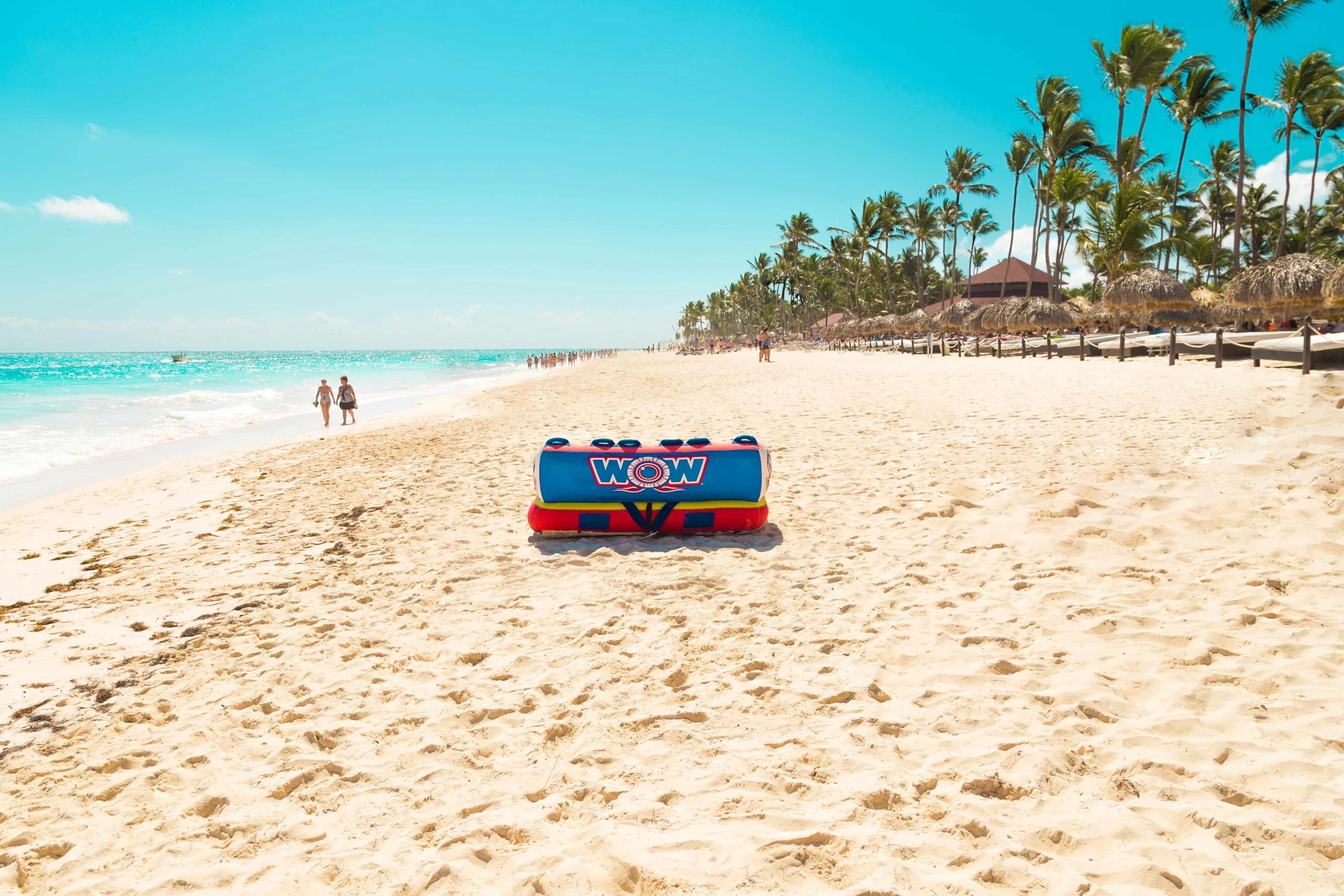
La oferta de alquiler más profunda del país — y la brecha más amplia entre el rendimiento anunciado y el realmente obtenido.
Bávaro es donde el mercado de alquiler de Punta Cana realmente se encuentra. La franja hotelera, la gran mayoría del stock de condominios y casi todo el inventario de alquiler de corta estancia se ubican aquí, y no en los enclaves que dan nombre a la región. Con 359 anuncios activos y un precio mediano de venta de condominios de US$210,000 (DRListings, agosto de 2026), es simultáneamente el mercado más líquido y el menos diferenciado de la República Dominicana.
Es también el mercado donde la brecha entre lo anunciado y lo realmente logrado es más amplia. El material de las agencias para los sectores de Bávaro difunde rendimientos brutos de hasta 13.7%. Las cifras de los últimos doce meses para el mercado de alquiler de corta estancia de Punta Cana muestran una tarifa diaria promedio de US$155 y una ocupación de 34.2%, generando aproximadamente US$10,793 de ingresos brutos por anuncio al año (AirROI). Frente al precio mediano de venta, eso equivale a alrededor de un 5.1% bruto, antes de gastos de administración, cuotas de condominio, servicios, mantenimiento e impuestos.
Nada de esto convierte a Bávaro en un mal mercado. Lo convierte en un mercado que debe evaluarse con sus propios números, no con los del destino en general. Comprar la unidad correcta al precio correcto aquí implica una demanda real y sólida; comprar el rendimiento anunciado significa comprar la tasa de ocupación de un hotel atada a un apartamento.
Bávaro es el mercado de volumen: la oferta más profunda, el grupo de compradores más amplio y el camino más corto hacia una reventa. Esa profundidad es la tesis — es el único mercado dominicano donde una salida no depende de encontrar al único comprador que quiera su propiedad específica. La contrapartida es que esa profundidad juega en ambos sentidos. Aquí nada es escaso, así que nada se cotiza por escasez, y una unidad compite con varios cientos de propiedades casi idénticas en el momento en que se publica. Los rendimientos dependen del edificio específico, de su contrato de gestión y de su distancia a la arena, no del mercado en su conjunto.
El único mercado donde un error de compra es recuperable, porque el conjunto de reventa realmente existe.
El ingreso real está disponible en edificios específicos con contratos de administración específicos. No se obtiene comprando el promedio del mercado.
Liquidez de nivel institucional según los estándares del Caribe; el período esperado de tenencia hasta venta más corto de todos los mercados analizados.
Inversionistas que buscan ingresos por alquiler con una salida genuina, y que están dispuestos a evaluar un edificio específico en lugar de un destino. Se adapta a una primera compra dominicana mejor que ningún otro mercado, porque un error aquí es recuperable — el grupo de reventa existe. Es el mercado menos adecuado para compradores que buscan escasez o una dirección emblemática: esas características están a dos enclaves de distancia y se cotizan en consecuencia.
La demanda de alquiler de corta estancia es real, se mantiene todo el año y está fuertemente intermediada: la mayoría de las unidades forman parte de programas administrados que compiten por precio dentro del mismo edificio. El determinante del ingreso no es el destino, sino el activo específico: frente al mar versus tierra adentro vale más del doble en tarifa, y un buen contrato de administración vale incluso más que eso.
Viajeros de ocio en paquetes turísticos e independientes; algunos trabajadores remotos de estadía prolongada; demanda corporativa mínima
El stock que realmente logra las tarifas anunciadas, y el único segmento de Bávaro con un historial de apreciación consistente.
Compradores enfocados en ingreso y apreciación; el segmento que vale la pena pagar de más.
El producto de volumen. Compite en precio dentro de su propio edificio, con tarifas aproximadamente un tercio de las de primera línea de playa.
Compradores de nivel de entrada que hayan evaluado el edificio específico, no el mercado en general.
Oferta residencial nacional y de expatriados tierra adentro, con precios por debajo de los apartamentos frente a la playa y alquilada a largo plazo en lugar de por noche.
Propietarios ocupantes y arrendadores de alquiler a largo plazo, no inversionistas de alquiler a corto plazo.
Oferta nueva continua en todo el sector. La entrega y la calidad del desarrollador varían ampliamente; el estatus de CONFOTUR debe verificarse antes, no después, de la reserva.
Compradores dispuestos a asumir el riesgo del desarrollador a cambio de condiciones de pago favorables.
Frente a la playa, consolidado, las tarifas por noche más altas alcanzadas en Bávaro.
Frente a la playa y transitable a pie, oferta más antigua, el crecimiento de precios registrado más fuerte.
Zona costera más tranquila entre Bávaro y Punta Cana propiamente dicha.
Población residencial y de servicios tierra adentro; los precios más bajos, los períodos de vacancia de alquiler más largos.
Tierra adentro, orientado al mercado local, funcional; el pueblo de la mano de obra detrás de la franja turística.
Frente hotelero al norte con desarrollo turístico continuo.
El mercado de reventa más profundo del país: 359 anuncios activos y una demanda competitiva genuina al momento de salir.
Demanda durante todo el año respaldada por cifras récord de llegadas nacionales: 11.6 millones en 2025, 6.6 millones en el primer semestre de 2026.
El rango de entrada más amplio de cualquier mercado dominicano, desde aproximadamente $119,000 hasta frente al mar a $600,000.
El Aeropuerto Internacional de Punta Cana (PUJ) a 20–30 minutos, el mejor conectado del Caribe.
Infraestructura de servicios madura: clínicas, supermercados, educación internacional y administración de propiedades, todo consolidado.
Amplia disponibilidad de CONFOTUR en el stock de obra nueva, con exención del 3% de impuesto de transferencia y 15 años de IPI.
Los rendimientos anunciados circulan muy por encima de los realmente logrados. Los ingresos de alquiler de corta estancia a nivel de mercado implican aproximadamente un 5% bruto frente al precio mediano de venta, no el 13%+ que se ve en el material de las agencias.
Oferta nueva continua. Bávaro absorbe más stock nuevo de condominios que cualquier otro mercado, lo que limita el crecimiento de las tarifas en unidades no diferenciadas.
La ocupación de alquiler de corta estancia no ha aumentado junto con el número de visitantes, lo que indica que el crecimiento de la oferta supera al de la demanda en el conjunto de alquileres.
El stock tierra adentro compite casi exclusivamente por precio y presenta vacíos de alquiler considerablemente más largos que el de frente al mar.
La calidad del contrato de administración varía marcadamente entre edificios y es el factor individual más determinante del ingreso neto.
El sargazo afecta estacionalmente las playas del este y constituye un costo real y recurrente en la administración de propiedades frente al mar.
Precio mediano de venta de condominios US$210,000 y precio mediano de venta de villas US$230,000 (DRListings, agosto de 2026) — la inusual inversión refleja el stock de villas del interior compitiendo con apartamentos frente al mar. Pueblo Bávaro, Verón y los sectores del interior se cotizan por debajo de RD$115,000 por m², aproximadamente la mitad de Cap Cana. Los Corales y El Cortecito, frente al mar, tienen una prima considerable y representan la mayor parte de la apreciación registrada en el mercado en general.
El mercado de reventa más profundo del país, y el único donde un vendedor puede razonablemente esperar una oferta competitiva en lugar de una única propuesta. Esa profundidad es también la limitación: 359 anuncios activos significa que un comprador tiene alternativas, por lo que la disciplina de precios en la reventa importa más que en cualquier mercado de baja densidad. El stock frente al mar bien cotizado se vende en tres a seis meses; el stock del interior cotizado con esperanza no se mueve en absoluto.
Denso, desarrollado y sin pretensiones. Bávaro funciona alrededor de la franja hotelera: supermercados, clínicas, colegios internacionales al alcance, y la mayor variedad de restaurantes del país fuera de Santo Domingo. No es tranquilo y no pretende serlo. La playa es el atractivo y es genuinamente excelente; el entorno construido detrás de ella es funcional más que hermoso.
La oferta es la variable a observar, no la demanda. La demanda ha sido consistentemente sólida —el país registró 11.6 millones de visitantes en 2025 y un récord de 6.6 millones en el primer semestre de 2026—, pero Bávaro absorbe nueva oferta de condominios más rápido que cualquier otro mercado, y la cifra de ocupación de alquiler de corta estancia no ha aumentado junto con el número de visitantes. Esa divergencia es lo que hay que seguir de cerca.
La prima por una ubicación genuinamente frente al mar debería seguir ampliándose frente al stock de tierra adentro. El panorama a cinco años para una unidad bien ubicada en Los Corales o El Cortecito es sustancialmente distinto al de un apartamento tierra adentro en Verón, y el mercado cada vez valora más esa diferencia, en lugar de tratar a "Bávaro" como un bloque homogéneo.
Analizamos una propiedad específica a la vez — el desarrollador, los números, el título y la salida — antes de que usted reserve, firme o transfiera un depósito.
ContáctanosAnaliza una propiedad aquí
El mercado de inversión más líquido del Caribe.
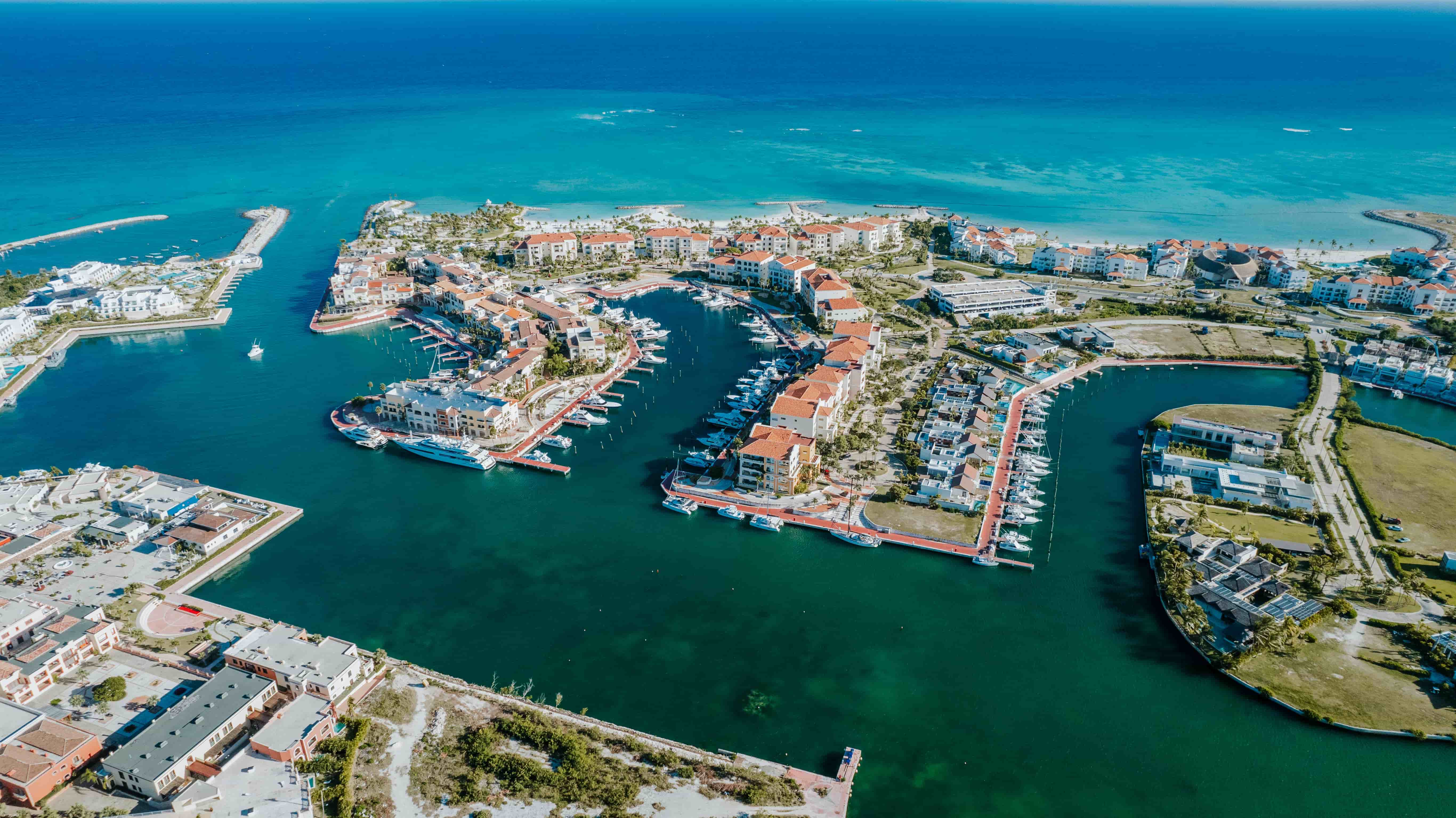
Ultra lujo, oferta controlada, apreciación de capital.
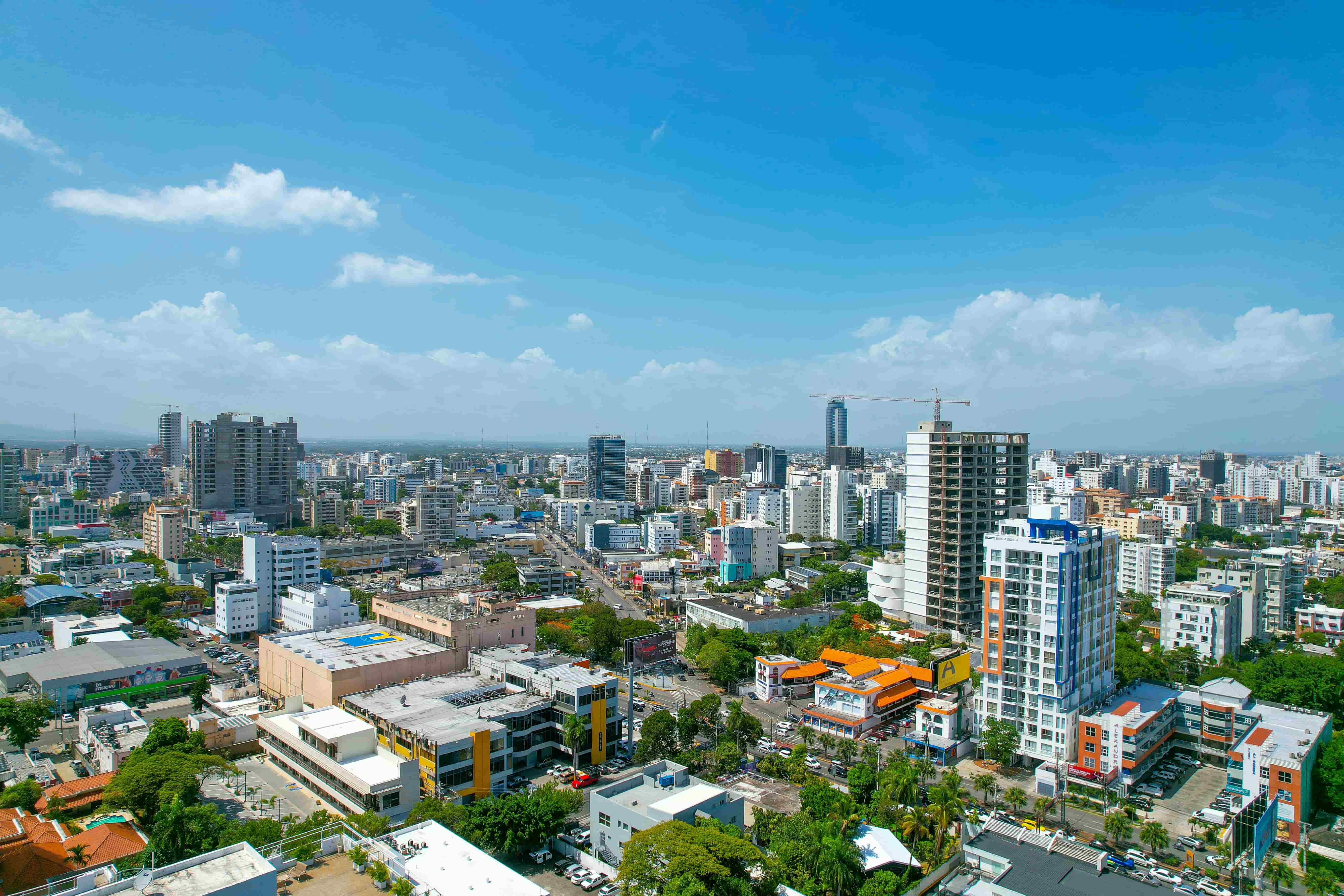
La economía más grande del Caribe. El mercado más institucional de la región.