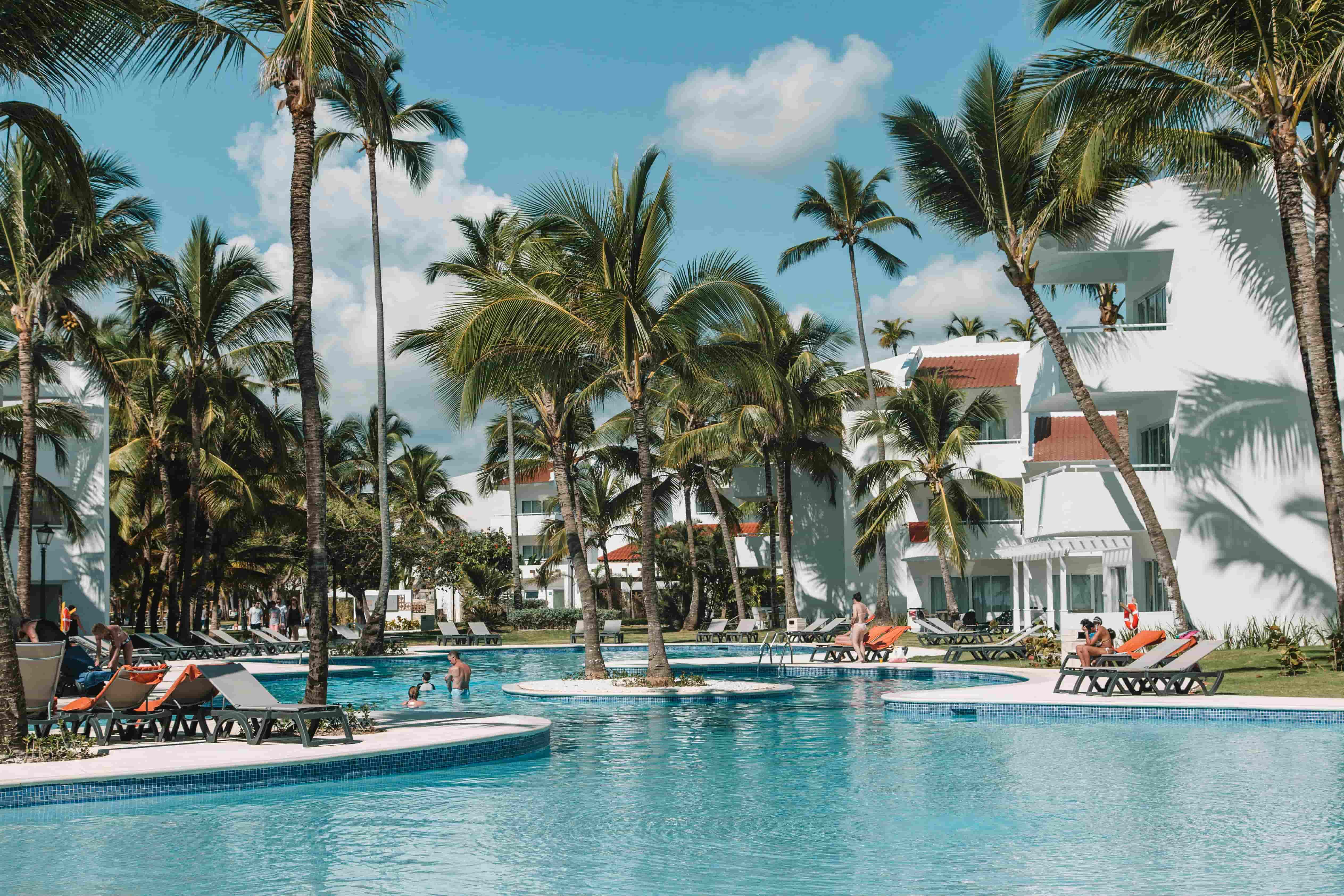
Eastern Coast
Punta Cana
18°36′N · 68°22′WEl mercado de inversión más líquido del Caribe.
$80,000–$180,000
Entry (1BR)
6–9%
Gross Yield
4–7% p.a.
5yr Cap. Growth
High
Liquidity
Medium RiskAnálisis completo→
Preferencias
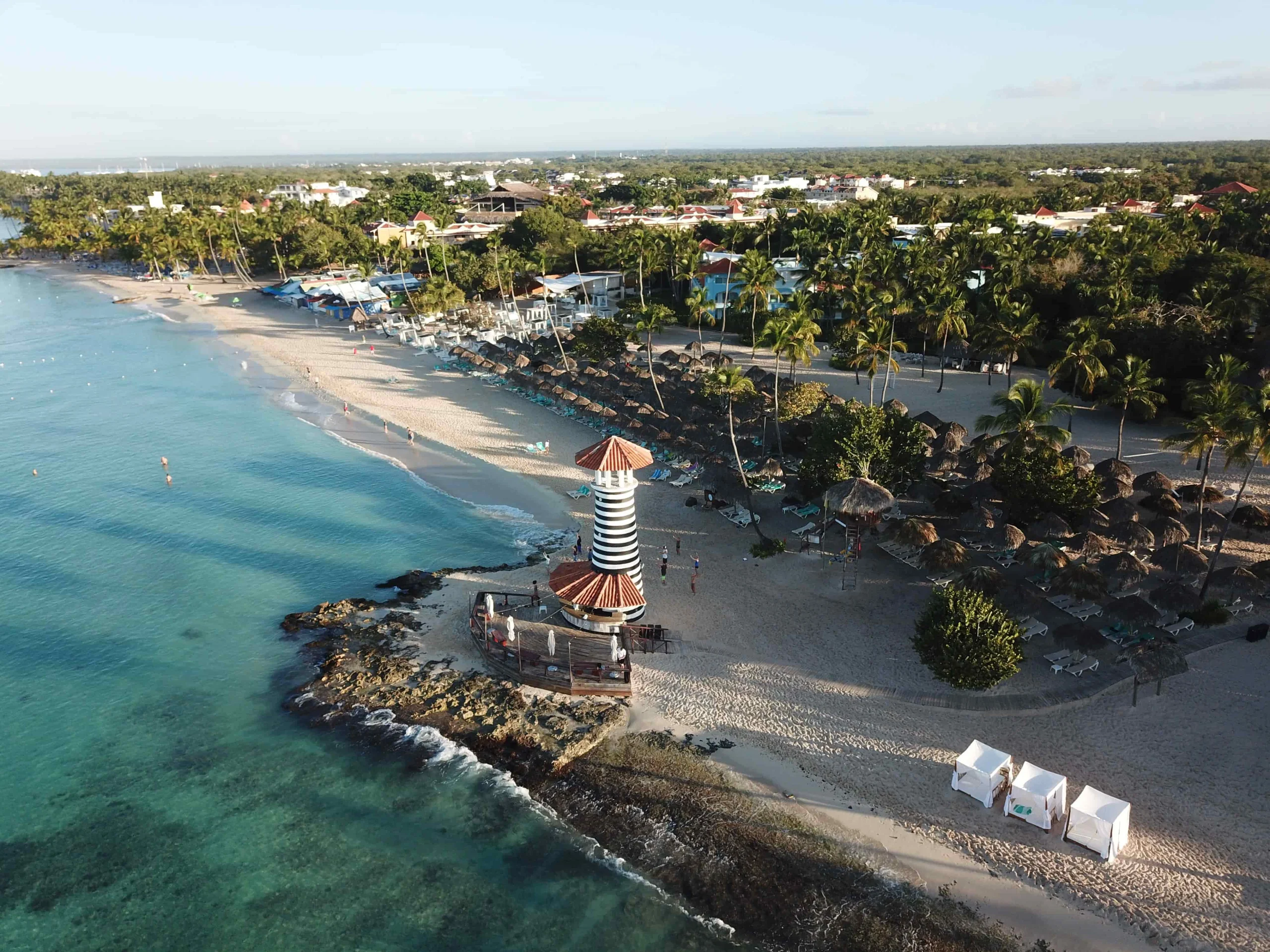
La ocupación hotelera más alta del país, al precio de entrada más bajo de la costa este.
Bayahíbe y la playa vecina de Dominicus conforman el más pequeño de los mercados del este y, en la medida de destino, el más sólido. La ocupación hotelera en el polo Romana–Bayahíbe promedió un 92% durante los primeros cinco meses de 2026 — la más alta de cualquier polo turístico de República Dominicana, por delante de Bávaro–Punta Cana con un 88% (ASONAHORES). La demanda aquí es impulsada por las excursiones a las islas Saona y Catalina, uno de los mejores mercados de buceo del Caribe, y una base de todo incluido madura.
El panorama de inversión es más matizado que ese titular. El inventario de alquiler a corto plazo dentro del mismo polo registra una tarifa diaria promedio de US$84 con una ocupación del 35.7%, generando aproximadamente US$7,570 de ingreso bruto por unidad al año (AirROI). Frente a un precio mediano de venta de condominio de US$158,450 (DRListings, agosto de 2026), eso representa alrededor de un 4.8% bruto — una cifra defendible, pero lograda a una tarifa que es un tercio de la de la primera línea de playa en Bávaro.
Lo que Bayahíbe ofrece es el precio de entrada más bajo de la costa este, vinculado al destino de ocupación más constante del país. Lo que no ofrece es profundidad: se trata de un mercado pequeño donde una reventa depende de encontrar a un comprador particular, y no a cualquier comprador.
Un destino que se mantiene lleno a una tarifa que se mantiene baja. La ocupación es genuina y la mejor del país, pero el techo tarifario lo marca una base todo incluido y un tráfico diario impulsado por excursiones, más que por estancias vacacionales independientes, de modo que el ingreso escala con las noches vendidas y no con la tarifa lograda. El argumento es, por tanto, un argumento de precio de entrada: adquirir por debajo del nivel vigente en la costa este, aceptar un rendimiento modesto pero estable, y confiar en el frente al Parque Nacional y en la limitada disponibilidad de terreno urbanizable para sostener el valor.
El precio mediano de venta más bajo de la costa este, en el polo con la ocupación hotelera más alta del país.
La ocupación estable y la cercanía al Parque Nacional respaldan el piso del valor; la salida es lenta, por lo que la permanencia debe ser intencional.
Cotubanamá, Saona y Catalina hacen de este un destino genuinamente especializado, más que un mercado de playa genérico.
Compradores que desean exposición a la costa este sin pagar los precios de la costa este, y que valoran la estabilidad de la ocupación por encima de la tarifa. Conviene a un propietario paciente, con horizonte largo y sin necesidad de una salida rápida. No conviene a un inversor que necesite liquidez, ni a quien apueste por la apreciación — el historial de apreciación aquí es más débil que el de Bávaro o Cabarete.
La demanda es excepcionalmente constante y de precio bajo. La base de todo incluido y la economía de excursiones Saona–Catalina mantienen el destino lleno durante todo el año, pero también limitan lo que un alquiler independiente a corto plazo puede cobrar: un huésped que compara un apartamento con un paquete de todo incluido está comparando frente a un precio combinado. El ingreso aquí es función de las noches vendidas, no de la tarifa lograda.
Buzos; visitantes recurrentes italianos y del norte de Europa; estancias cortas orientadas a excursiones
El producto invertible principal: apartamentos administrados con acceso cercano a la playa y la marina.
Compradores que buscan estabilidad de rendimiento y se conforman con una tarifa modesta.
Inmuebles más antiguos y del interior del propio pueblo. La entrada más económica en la costa, con un atractivo de alquiler correspondientemente limitado.
Propietarios-ocupantes y compradores de entrada con presupuesto ajustado.
Inmuebles independientes de mayor tamaño, algunos con frente a campo de golf, alquilados a tarifas varias veces superiores al promedio de los apartamentos.
Compradores orientados al estilo de vida con una intención secundaria de alquiler.
Terrenos urbanizables limitados por los límites del Parque Nacional, la escasez que sustenta el valor a largo plazo.
Autoconstructores y compradores de terreno pacientes que verificarán los límites antes de la compra.
La playa que impulsa el mercado; la mayoría del inventario de condominios invertibles.
El pueblo pesquero original; operadores de buceo, restaurantes, el inventario más antiguo.
El enlace hacia Casa de Campo; parcelas más grandes, frente a campo de golf.
Límite del Parque Nacional; desarrollo restringido y de forma permanente.
Calles de servicios y residenciales detrás de la costa; los precios más bajos, la demanda de alquiler más débil.
La ocupación hotelera más alta de cualquier polo turístico dominicano: 92% entre enero y mayo de 2026 (ASONAHORES).
El precio mediano de venta de condominios más bajo de la costa este — aproximadamente un 25% por debajo de Bávaro.
El Parque Nacional Cotubanamá restringe de manera permanente el terreno desarrollable, favoreciendo la escasez a largo plazo.
Un atractivo especializado genuino en el buceo y la economía de excursiones a Saona/Catalina, más allá de la demanda de playa genérica.
El aeropuerto de La Romana Internacional (LRM) a 20 minutos; Punta Cana (PUJ) a aproximadamente una hora.
Comunidad europea establecida de segunda residencia, en particular italiana, que ofrece un grupo de compradores de reventa que ya conoce el mercado.
Una tarifa diaria promedio de US$84 limita el crecimiento de ingresos sin importar la ocupación — el techo es la tarifa, no las noches.
La brecha más amplia entre ocupación hotelera y de alquiler a corto plazo de cualquier mercado analizado, y la que con más frecuencia se tergiversa en el material de ventas.
Pequeño e ilíquido: una reventa depende de un comprador específico, con cinco a diez meses como expectativa realista.
Un historial de apreciación más modesto que el de los mercados más grandes del este y del norte.
Fuerte dependencia de la economía de todo incluido y de excursiones; un cambio en la estrategia de los operadores mueve todo el mercado.
Los límites del Parque Nacional requieren verificación antes de cualquier compra de terreno — una restricción para el valor, pero también un respaldo para el mismo.
Precio medio de venta de un condominio: US$158,450 (DRListings, agosto de 2026) — el más bajo entre los mercados costeros del este y aproximadamente un 25% inferior al de Bávaro. Los apartamentos de un dormitorio, en torno a 75 m², parten cerca de US$200,000 en desarrollos más nuevos, mientras que los listados más antiguos y del interior comienzan cerca de US$82,000. Las villas oscilan aproximadamente entre US$610,000 y US$3,700,000, con el extremo superior impulsado por posiciones frente al campo de golf y frente a la playa.
Escasa, por diseño y por tamaño. El grupo de compradores es un orden de magnitud menor que el de Bávaro, y el perfil es específico — buzos, propietarios italianos y del norte de Europa con segunda residencia, y compradores que ya conocen la costa. Espere entre cinco y diez meses para completar una venta de un inmueble bien valorado, y sustancialmente más para cualquier propiedad tasada según comparables de Punta Cana.
Un antiguo pueblo de pescadores que nunca industrializó del todo su turismo. Más tranquilo y con un matiz más italiano que Punta Cana, con un núcleo de pueblo genuino, una comunidad de buceo consolidada y el Parque Nacional Cotubanamá a la puerta. Los servicios son suficientes más que abundantes; cualquier trámite serio queda a 20–30 minutos, en La Romana.
Es probable que el liderazgo en ocupación se mantenga: el polo Romana–Bayahíbe ha encabezado la tabla nacional de forma constante durante 2025 y 2026, y la economía de excursiones que lo impulsa está estructuralmente arraigada más que sujeta a modas pasajeras.
La restricción para los próximos cinco años es la tarifa, no las noches. Sin un cambio en la mezcla de visitantes que se aleje del todo incluido y el turismo de un día hacia estancias de ocio independientes, la tarifa diaria promedio de US$84 es el techo del crecimiento de ingresos, sin importar lo que ocurra con la ocupación.
Analizamos una propiedad específica a la vez — el desarrollador, los números, el título y la salida — antes de que usted reserve, firme o transfiera un depósito.
Analizar su propiedadAnaliza una propiedad aquí
El mercado de inversión más líquido del Caribe.
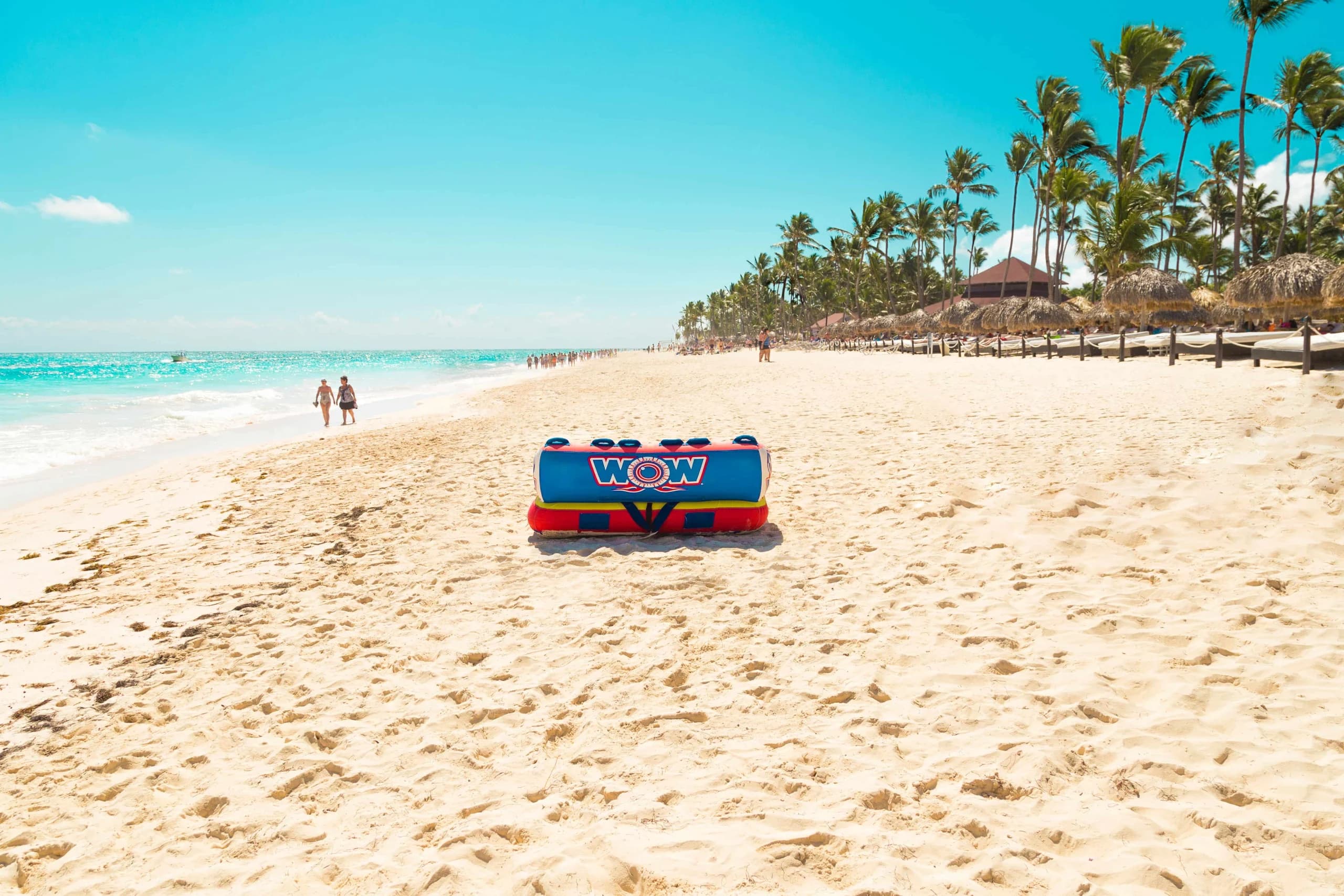
La oferta de alquiler más profunda del país — y la brecha más amplia entre el rendimiento anunciado y el realmente obtenido.
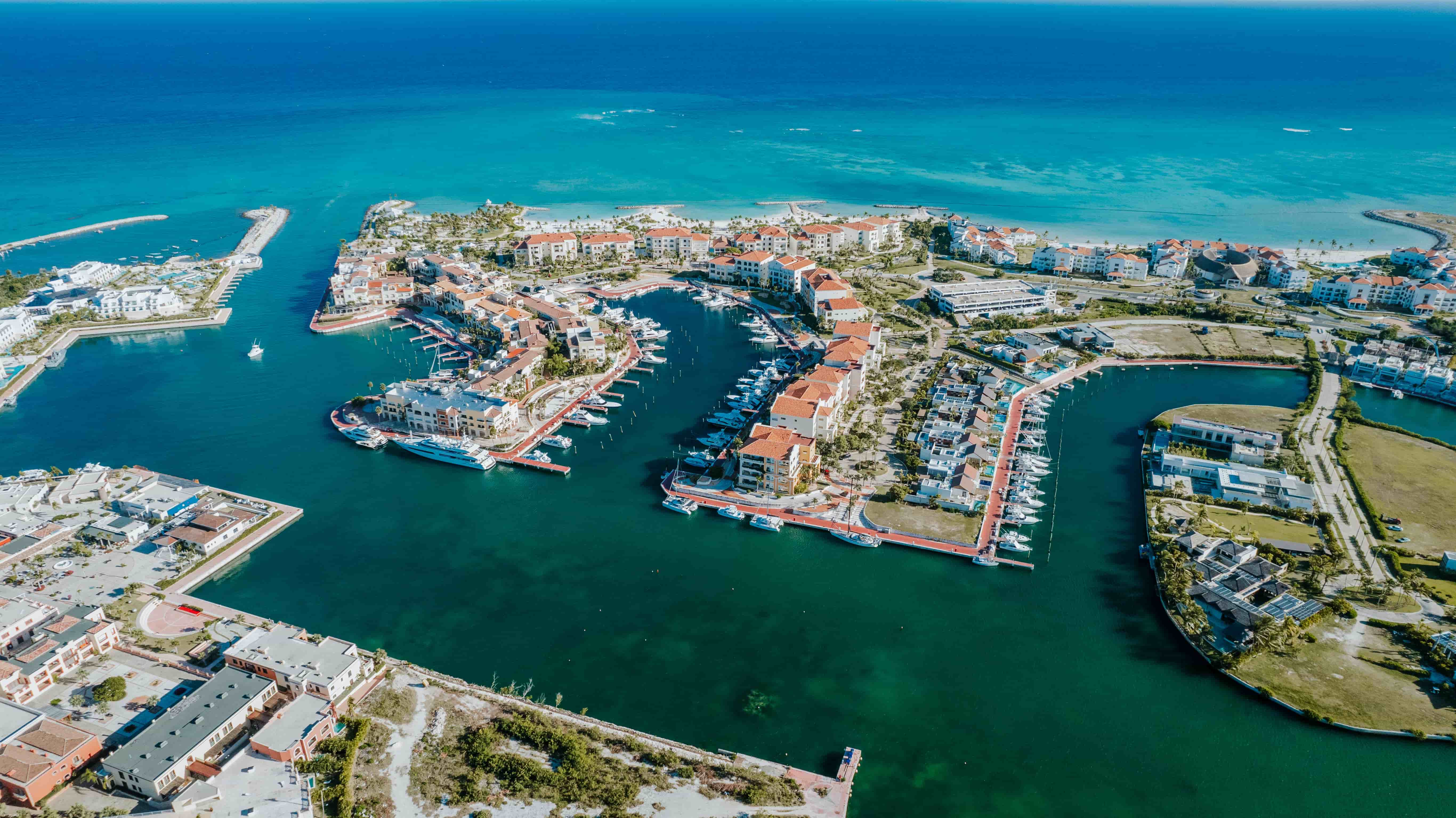
Ultra lujo, oferta controlada, apreciación de capital.