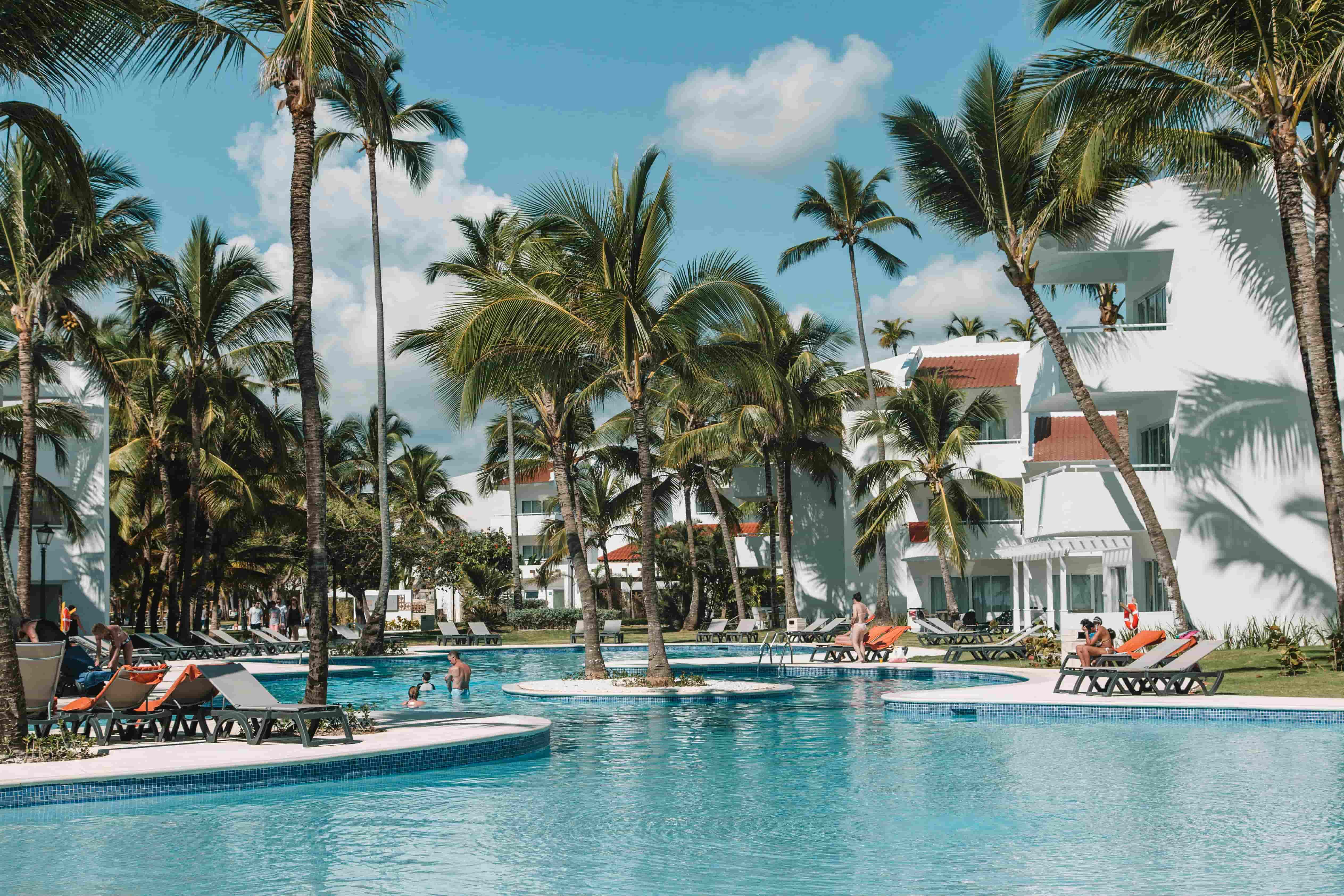
Eastern Coast
Punta Cana
18°36′N · 68°22′WEl mercado de inversión más líquido del Caribe.
$80,000–$180,000
Entry (1BR)
6–9%
Gross Yield
4–7% p.a.
5yr Cap. Growth
High
Liquidity
Medium RiskAnálisis completo→
Preferencias
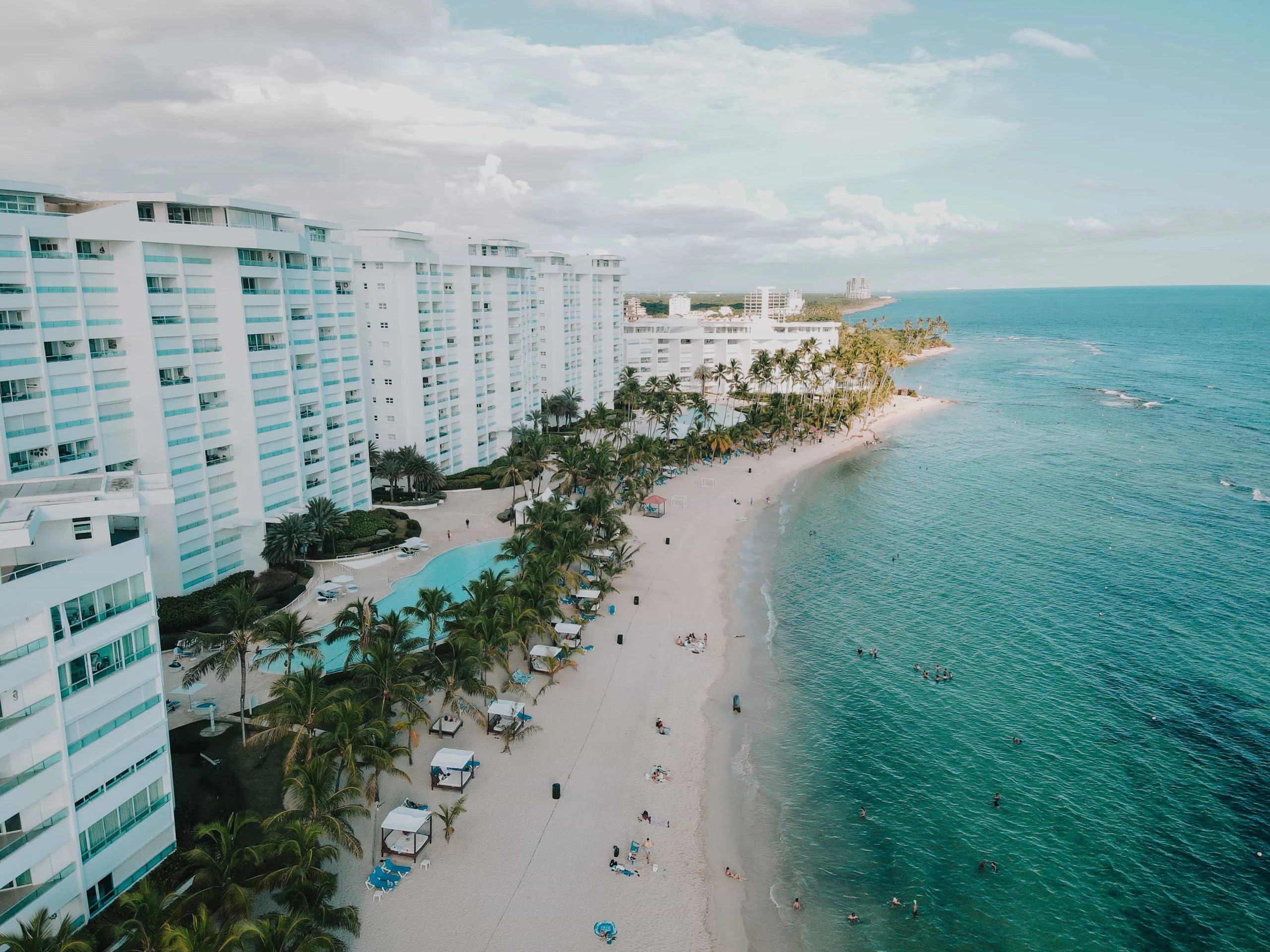
Con precios fijados por los residentes de fin de semana de Santo Domingo, no por el ingreso por alquiler.
Juan Dolio es la playa de la capital. A cuarenta y cinco minutos de Santo Domingo y del aeropuerto Las Américas Internacional, funciona como costa de fin de semana y segunda residencia para profesionales dominicanos más que como destino de turismo internacional, y su precio refleja esa realidad.
Esa distinción se ve claramente en las cifras. El precio de venta mediano de un condominio es US$329,000 (DRListings, agosto de 2026) — más alto que Bávaro, más alto que Bayahíbe, más alto que Sosúa. El desempeño de alquileres de corta estadía es el más débil de cualquier mercado costero analizado: una tarifa diaria promedio de US$161 con una ocupación del 27.3% en 506 anuncios activos, lo que produce aproximadamente US$10,320 de ingresos brutos por anuncio al año (AirROI). Eso equivale aproximadamente al 3.1% bruto antes de cualquier costo.
La conclusión no es que Juan Dolio sea un mal mercado. Es que Juan Dolio no es un mercado de rendimiento, y valorarlo como tal es el error más común que se comete aquí. La demanda doméstica de segundas residencias sostiene los valores de una manera que la matemática del alquiler no explica, y un inversionista que entienda en cuál de estas dos fuerzas está invirtiendo tomará una decisión mucho mejor que quien interprete los precios de venta como evidencia de ingresos.
Cercanía a la mayor economía del Caribe, con precios fijados por personas que llegan conduciendo un viernes por la tarde. La demanda doméstica de segundas viviendas proveniente de Santo Domingo determina los valores, lo que hace que este mercado esté inusualmente aislado de las llegadas internacionales e inusualmente desconectado de la economía del alquiler de corta estancia. La tesis es de estabilidad de capital y uso propio, respaldada por la riqueza de la capital y el traslado más corto desde el aeropuerto de cualquier mercado de playa del país. No es una tesis de ingresos, y las cifras de alquiler alcanzadas lo dejan claro.
El único mercado de playa a 45 minutos tanto de Santo Domingo como de un aeropuerto internacional.
La demanda de inquilinos residenciales de la capital es real y se mantiene durante todo el año, a diferencia del mercado de corta estadía.
Los valores aquí siguen la economía doméstica dominicana en lugar de las llegadas internacionales.
Compradores que desean una propiedad de playa a una hora de una ciudad real y de un aeropuerto internacional: profesionales de Santo Domingo, diáspora que regresa, y propietarios extranjeros que valoran el acceso por encima de las comodidades de resort. Es adecuado para propietarios ocupantes e inversionistas de alquiler a largo plazo. Es el mercado menos adecuado de todos los cubiertos para inversionistas de rendimiento por alquiler de corta estancia, y la brecha entre el precio de venta y el ingreso por alquiler alcanzado es la razón.
La demanda de corta estadía es la más débil de cualquier mercado costero analizado y se concentra en fines de semana y días feriados dominicanos más que en temporadas internacionales. El alquiler residencial a largo plazo es la propuesta más confiable aquí, y la que efectivamente utiliza el grupo de compradores locales. Evaluar una compra en Juan Dolio basándose en tarifas nocturnas es evaluar el mercado equivocado.
Visitantes domésticos de fin de semana; inquilinos residenciales a largo plazo de Santo Domingo; ocio internacional limitado
El producto principal y el que fija el precio. Comprado predominantemente por compradores dominicanos de segunda residencia.
Propietarios-ocupantes; los compradores en busca de ingresos deben modelar alquiler a largo plazo, no por noche.
A una o dos cuadras de la arena con un descuento considerable, y el mismo perfil de demanda de fin de semana.
Compradores primerizos y propietarios de alquiler a largo plazo.
Propiedades independientes en torno a las dos comunidades de golf, con la demanda de reventa doméstica más sólida.
Familias propietarias-ocupantes.
Edificaciones envejecidas de los años 90 y 2000 en primera línea de playa. El fondo de reserva y el estado estructural importan más que el precio.
Compradores de renovación que encarguen primero una inspección técnica.
La franja principal; la mayoría del stock invertible y la referencia de precios.
Comunidad de golf cerrada tierra adentro; la demanda familiar doméstica más sólida.
Complejo residencial y de golf con administración establecida.
Enclave residencial consolidado cerca de la playa.
Hacia el este, en dirección a San Pedro; más reciente, de menor densidad y con reventa más limitada.
Pueblo de playa más tranquilo en el extremo oeste, mayormente doméstico.
El traslado más corto desde el aeropuerto de cualquier mercado de playa dominicano: el aeropuerto Las Américas Internacional (SDQ) en 45 minutos.
Santo Domingo — la economía más grande del Caribe — a 45 minutos, con sus hospitales, universidades y escuelas.
Valores impulsados por la demanda doméstica, lo que ofrece una diversificación genuina frente a los mercados dependientes del turismo.
Demanda de inquilinos de alquiler a largo plazo durante todo el año proveniente de la capital, algo de lo que carecen los mercados turísticos costeros.
Dos comunidades de golf consolidadas con gestión madura y profundidad de reventa doméstica.
Un grupo de compradores en reventa predominantemente dominicano, lo que aísla al mercado del sentimiento internacional.
El desempeño de alquileres de corta estadía más débil de cualquier mercado costero analizado: 27.3% de ocupación frente a un precio de venta mediano de US$329,000.
Un rendimiento bruto implícito cercano al 3.1% antes de costos — cualquier compra basada en ingresos por alquiler necesita otro mercado.
Los precios de venta pasaron de US$270,000 a US$329,000 entre junio y agosto de 2026 sobre un grupo modesto de anuncios; trate esta tendencia con cautela.
La caída estacional de ocupación más pronunciada de cualquier polo: 80% de enero a mayo frente a 59% en junio (ASONAHORES).
La exposición a la economía doméstica dominicana funciona en ambos sentidos — una recesión local afecta tanto los valores como la liquidez.
El envejecido inventario frente a la playa de las décadas de 1990 y 2000 conlleva un riesgo estructural y de fondo de reserva real.
El precio de venta mediano de un condominio es de US$329,000 (DRListings, agosto de 2026), el más alto entre los mercados costeros de mayor volumen y aproximadamente 55% por encima de Bávaro. La prima se paga por la cercanía a Santo Domingo y al aeropuerto internacional Las Américas, más que por el rendimiento del alquiler. Los precios de venta se han movido rápidamente a lo largo de 2026 — la misma fuente registró US$270,000 en junio y US$290,000 en julio — lo que, sobre un modesto conjunto de listados, refleja tanto cambios en la mezcla de inventario como en el valor subyacente.
Razonable según los estándares dominicanos e inusual en su composición: es mucho más probable que el comprador sea dominicano que extranjero, lo que hace que las condiciones económicas locales sean un mejor predictor del tiempo de reventa que las llegadas internacionales. El inventario bien valorado suele venderse en un plazo de cuatro a ocho meses. Cualquier propiedad valorada en función de ingresos proyectados por alquiler de corta estancia, en lugar de precios de venta comparables, permanecerá sin vender.
De baja altura, discreto y mayormente residencial. Una playa extensa, una franja transitable de restaurantes, dos campos de golf cercanos en Guavaberry y Los Marlins, y un ritmo marcado por los fines de semana más que por las temporadas turísticas. Los hospitales, universidades, restaurantes y colegios internacionales de Santo Domingo están a 45 minutos, que es la razón práctica por la que la mayoría de los propietarios están aquí.
La dirección del mercado sigue a la economía de Santo Domingo más que al turismo. Esa es una ventaja genuina de diversificación frente a cualquier otro mercado aquí analizado, y es el argumento estructural más sólido para tomar una posición en esta costa.
La brecha entre los precios de venta y los ingresos reales por alquiler de corta estadía es lo que hay que observar. Se ha ampliado a lo largo de 2026, y o bien el desempeño de los alquileres mejora, o los precios de venta los está fijando un comprador que nunca tuvo intención de alquilar — la evidencia actualmente favorece la segunda lectura.
Analizamos una propiedad específica a la vez. El desarrollador, los números, el título y la salida. Antes de que usted reserve, firme o transfiera un depósito.
Analice su propiedadAnaliza una propiedad aquí
El mercado de inversión más líquido del Caribe.
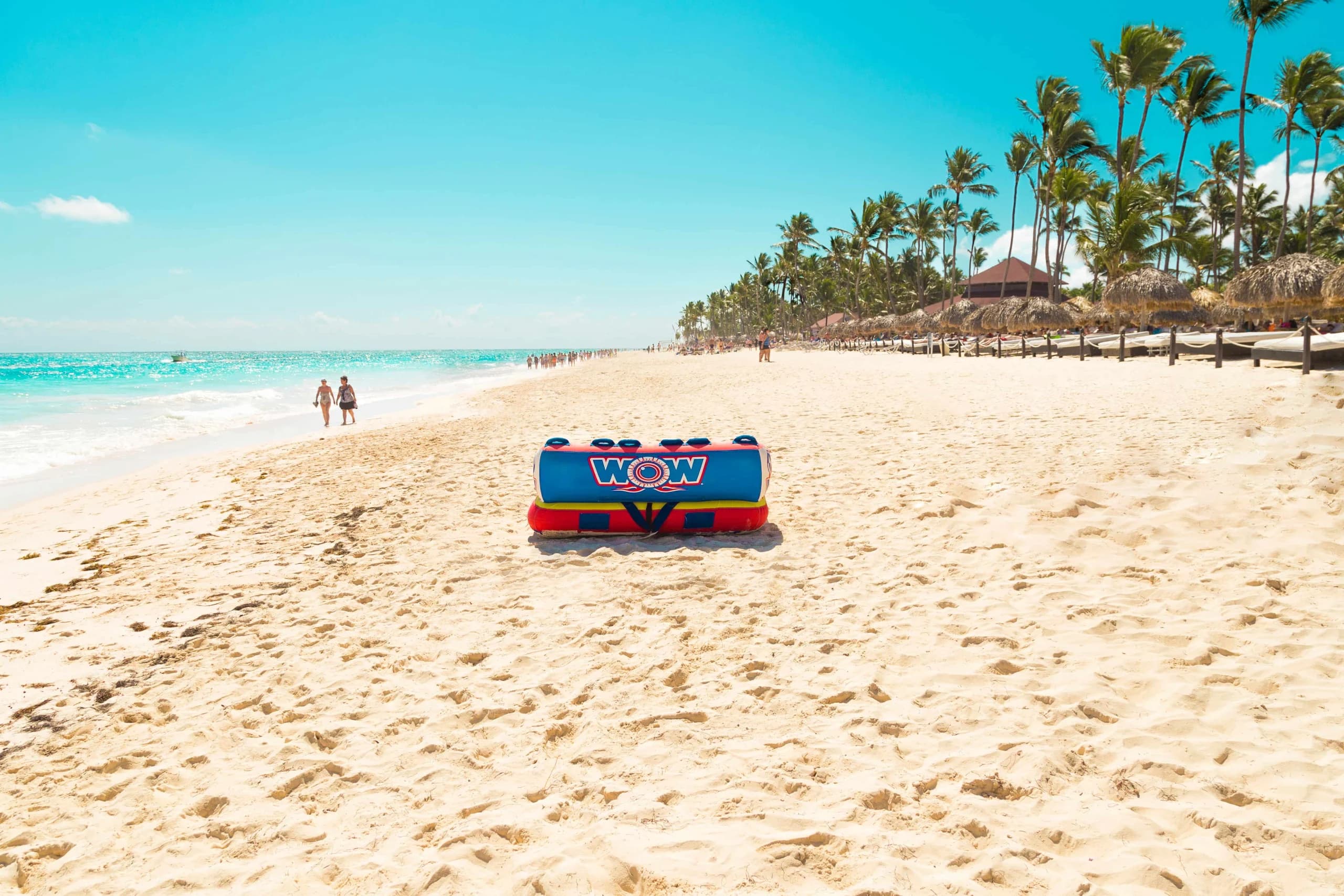
La oferta de alquiler más profunda del país — y la brecha más amplia entre el rendimiento anunciado y el realmente obtenido.
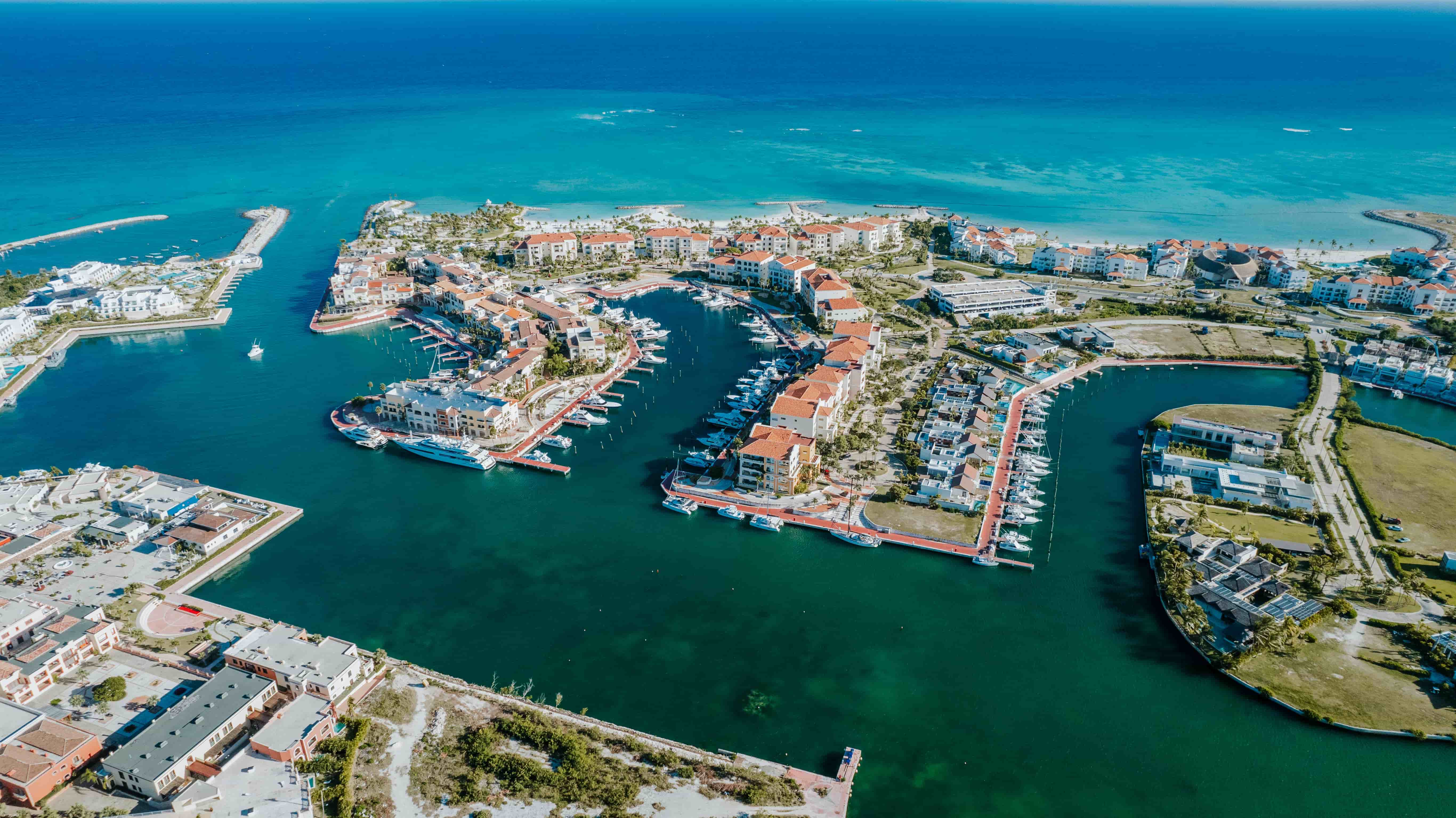
Ultra lujo, oferta controlada, apreciación de capital.