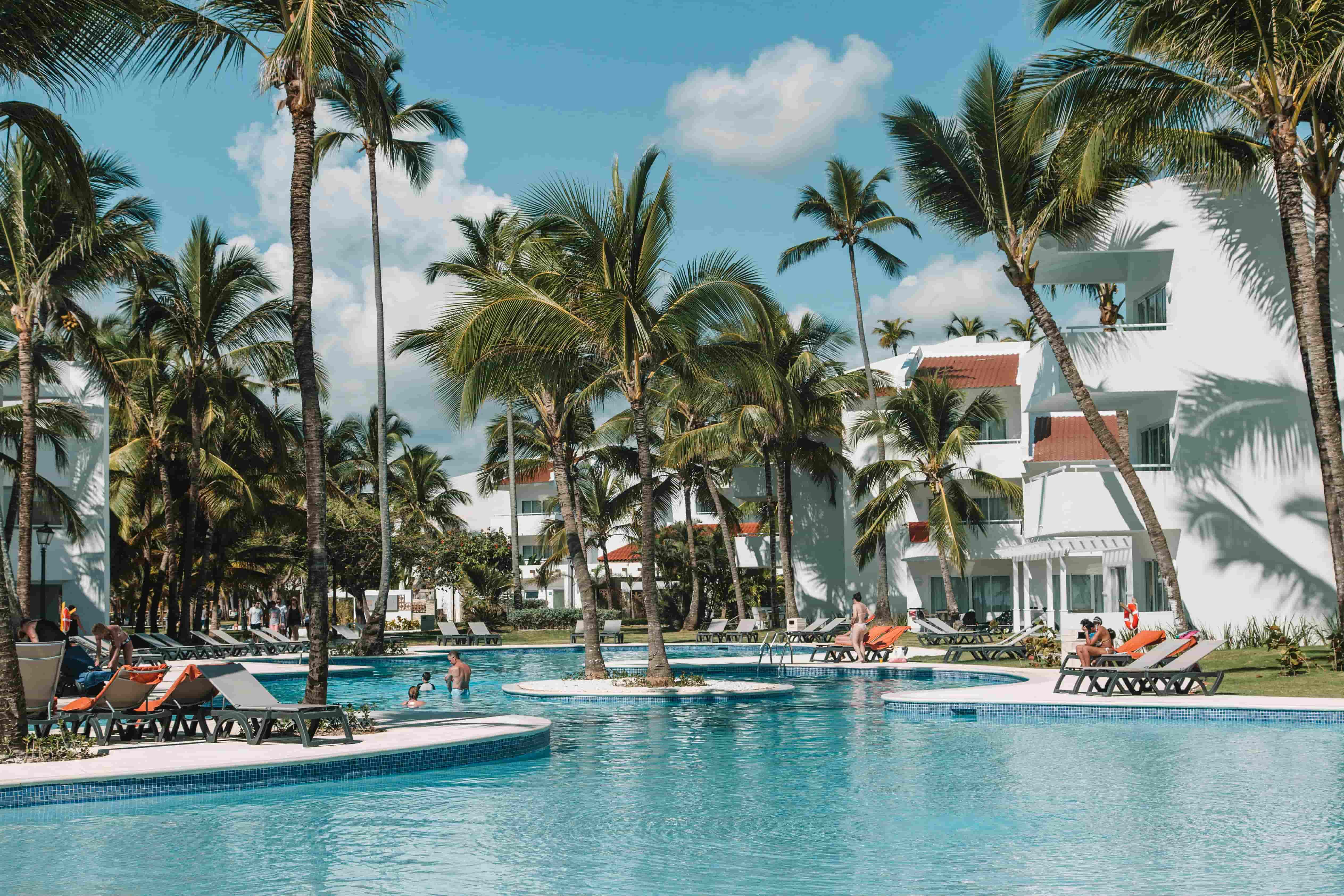
Eastern Coast
Punta Cana
18°36′N · 68°22′WEl mercado de inversión más líquido del Caribe.
$80,000–$180,000
Entry (1BR)
6–9%
Gross Yield
4–7% p.a.
5yr Cap. Growth
High
Liquidity
Medium RiskAnálisis completo→
Preferencias
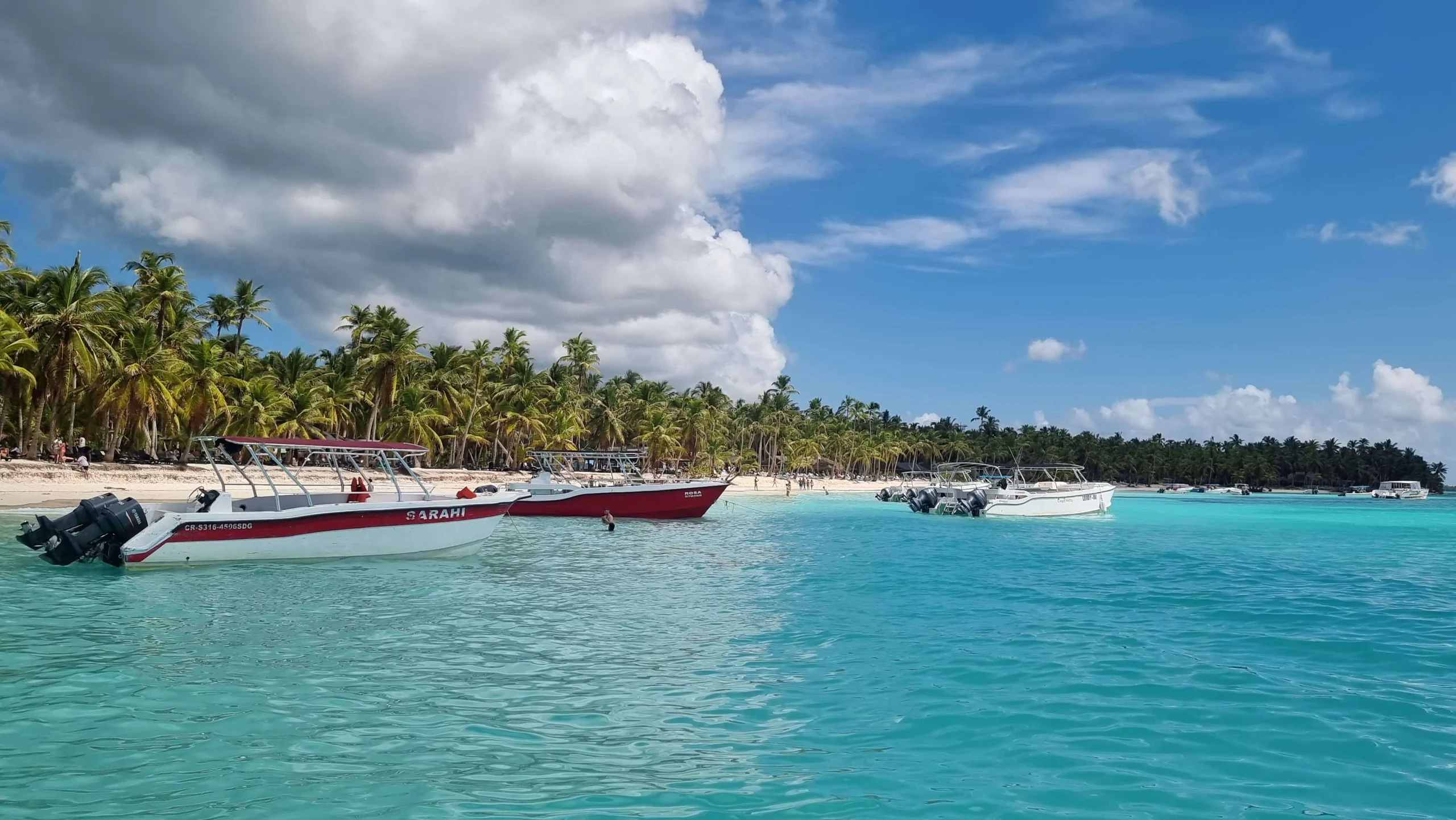
Una ciudad dominicana en pleno funcionamiento que rodea dos de las direcciones más valiosas del país.
La Romana es el mercado de lujo original de República Dominicana y sigue siendo el más maduro institucionalmente. Casa de Campo lleva comercializando propiedades residenciales desde mediados de los años setenta, lo que le da a este mercado algo que ningún otro destino dominicano ofrece: un historial de reventa de varias décadas a través de distintos ciclos económicos.
La propuesta es de preservación más que de apreciación. Los compradores suelen ser propietarios caribeños recurrentes que priorizan un entorno regulado con una infraestructura de servicios profunda por encima de los rendimientos más altos disponibles en la costa norte. La propiedad se mantiene a largo plazo y rara vez está apalancada, y el ingreso por alquiler suele ser incidental frente al uso personal.
La contrapartida es la liquidez. El grupo de compradores es reducido e internacional, los períodos de comercialización se extienden por meses, y no existe una demanda especulativa profunda que pueda absorber una salida apresurada. Este es un mercado para capital que no necesita moverse con rapidez.
La Romana es el mercado turístico de lujo más antiguo de la República Dominicana y el único con un historial de propiedad de cinco décadas. Casa de Campo, fundada en 1974, creó el modelo de comunidad privada — golf, marina, polo, aeropuerto privado — que los desarrollos dominicanos posteriores han imitado. El argumento de inversión es la durabilidad más que el crecimiento: los valores aquí han atravesado varios ciclos turísticos sin la volatilidad de los corredores más nuevos, y la oferta está regida por la propia política de desarrollo de la comunidad más que por las fuerzas del mercado. Los análisis de las agencias coinciden en describirlo como un mercado de preservación de capital más que de ingresos por alquiler.
Compradores que ya poseen propiedades en la región y priorizan la gobernanza, la profundidad de servicios y un aeropuerto privado por encima del rendimiento destacado.
Capital de largo plazo y sin apalancamiento que busca un activo duradero con un historial de reventa comprobado, en lugar de la máxima apreciación.
Donde el uso personal es el retorno principal. La base de amenidades es la más profunda del país.
El comprador suele ser un propietario caribeño recurrente más que un nuevo entrante — familias norteamericanas y latinoamericanas que ya poseen propiedades en otros lugares y buscan un entorno cerrado y regulado con aeropuerto privado. La propiedad suele ser multigeneracional y rara vez está apalancada, razón por la cual el mercado muestra poca venta forzada en las recesiones. Una parte significativa de los compradores son profesionales dominicanos y puertorriqueños para quienes esta es una segunda vivienda doméstica más que una compra en el extranjero.
La demanda de alquiler se concentra en alquileres de villas de temporada alta para familias norteamericanas y en semanas de torneos y eventos en torno a los calendarios de golf y polo. Las estadías son más largas y menos frecuentes que en Punta Cana, típicamente de 7 a 14 noches con tarifas diarias altas, en lugar de una rotación continua de estadías cortas. Una parte considerable de los propietarios no alquila en absoluto, lo que mantiene la oferta alquilable más ajustada de lo que sugiere el número total de unidades.
Familias norteamericanas y latinoamericanas; grupos corporativos y de eventos
Unidades en el pueblo de la marina de estilo mediterráneo, a poca distancia de restaurantes y amarres. El producto más rentable de la comunidad.
Compradores que buscan utilidad de alquiler junto con uso personal.
Villas independientes ubicadas en o junto a los campos Pete Dye, típicamente de 3 a 5 habitaciones con piscina y área de servicio.
Propiedad orientada al estilo de vida con potencial de alquiler en temporada alta.
El nivel más exclusivo de la comunidad. Muy pocas transacciones al año; el precio se negocia en lugar de publicarse.
Compradores de activos emblemáticos; no es una propuesta de ingresos.
Lotes interiores y de frente sujetos a revisión arquitectónica y cronogramas de construcción. El precio de venta mediano rondaba los $1.7M a mediados de 2026.
Compradores que deseen construir según sus propias especificaciones.
La ciudad activa: puerto, Central Romana y la verdadera economía de la región.
Frente de playa local al este del centro; demanda doméstica.
El enlace entre la ciudad, Casa de Campo y el río Chavón.
Distritos residenciales consolidados que sirven a la economía turística.
Fuera de las puertas y con precios acordes — una fracción de los valores del resort.
Terreno rural y costero hacia San Pedro; mercado reducido y de movimiento lento.
El historial de reventa más largo de cualquier mercado dominicano: cinco décadas a través de múltiples ciclos
Aeropuerto privado (LRM) con servicio internacional, dentro de los límites de la comunidad
Una profundidad de amenidades sin igual en el país: tres campos de golf de campeonato, marina, polo, hípica
La política regulada de desarrollo hace que la oferta sea predecible en lugar de especulativa
Baja presión de venta forzada: la propiedad suele ser no apalancada y multigeneracional
Ecosistema de administración de propiedades y servicios consolidado a lo largo de décadas
Entre los rendimientos de alquiler más bajos de los mercados analizados: este no es un mercado de ingresos
El bajo volumen de transacciones implica períodos de comercialización largos y una opcionalidad de salida limitada
Las cuotas comunitarias y los cargos de servicio obligatorios afectan de forma significativa los retornos netos
El valor está concentrado en una única comunidad privada; un cambio de gobernanza o de política representa un punto único de fallo
El parque habitacional más antiguo en ciertas zonas de la comunidad conlleva costos de renovación y cumplimiento
Los precios publicados están dominados por precios de oferta de un número reducido de anuncios; los precios efectivamente alcanzados pueden diferir
Los precios son los más altos y menos volátiles del país, cotizados en aproximadamente US$3,100–$7,000 por metro cuadrado a comienzos de 2026. La entrada se sitúa considerablemente por encima de Cap Cana para un espacio comparable; la prima compra madurez de la comunidad, un aeropuerto privado y un historial de reventa, más que construcción nueva. Se debe esperar una amplia dispersión entre los productos cercanos a la marina y los del interior.
La liquidez es escasa en número de transacciones, pero fiable en sus resultados. El grupo de compradores es reducido, internacional y sin prisa; las propiedades se comercializan durante meses, no semanas, y los grandes descuentos son poco comunes porque los vendedores rara vez se ven obligados a vender. Se debe entrar con un horizonte largo y sin expectativa de una salida rápida.
La vida dentro de Casa de Campo se asemeja más a un club privado que a una ciudad turística: tres campos de Pete Dye, incluido Teeth of the Dog, una marina con un pueblo de estilo mediterráneo, instalaciones ecuestres y de polo, y Altos de Chavón, un pueblo reconstruido del siglo XVI con su propio anfiteatro. Fuera de las puertas, La Romana es una ciudad dominicana de trabajo, dedicada al azúcar y al puerto. El contraste es marcado, y elegir entre ambos entornos forma parte de la decisión.
Los valores dentro de Casa de Campo están determinados mucho más por la propia política de liberación de lotes de la comunidad que por el volumen turístico regional, lo que hace que la oferta sea predecible pero concentra el riesgo en una única estructura de gobernanza.
El corredor de la Carretera Coral y el continuo tráfico de cruceros por el puerto sostienen la economía municipal en general. Conviene observar las liberaciones de inventario dentro de la comunidad: un cambio en la política de desarrollo es la variable individual con mayor probabilidad de mover los precios.
Las cuotas de comunidad, las normas de desarrollo y el historial de reventa varían marcadamente entre los submercados de esta zona, y los precios publicados son precios de oferta sobre un volumen reducido. Un análisis independiente le indicará qué se aplica realmente a la propiedad que tiene ante usted.
Analice su PropiedadAnaliza una propiedad aquí
El mercado de inversión más líquido del Caribe.
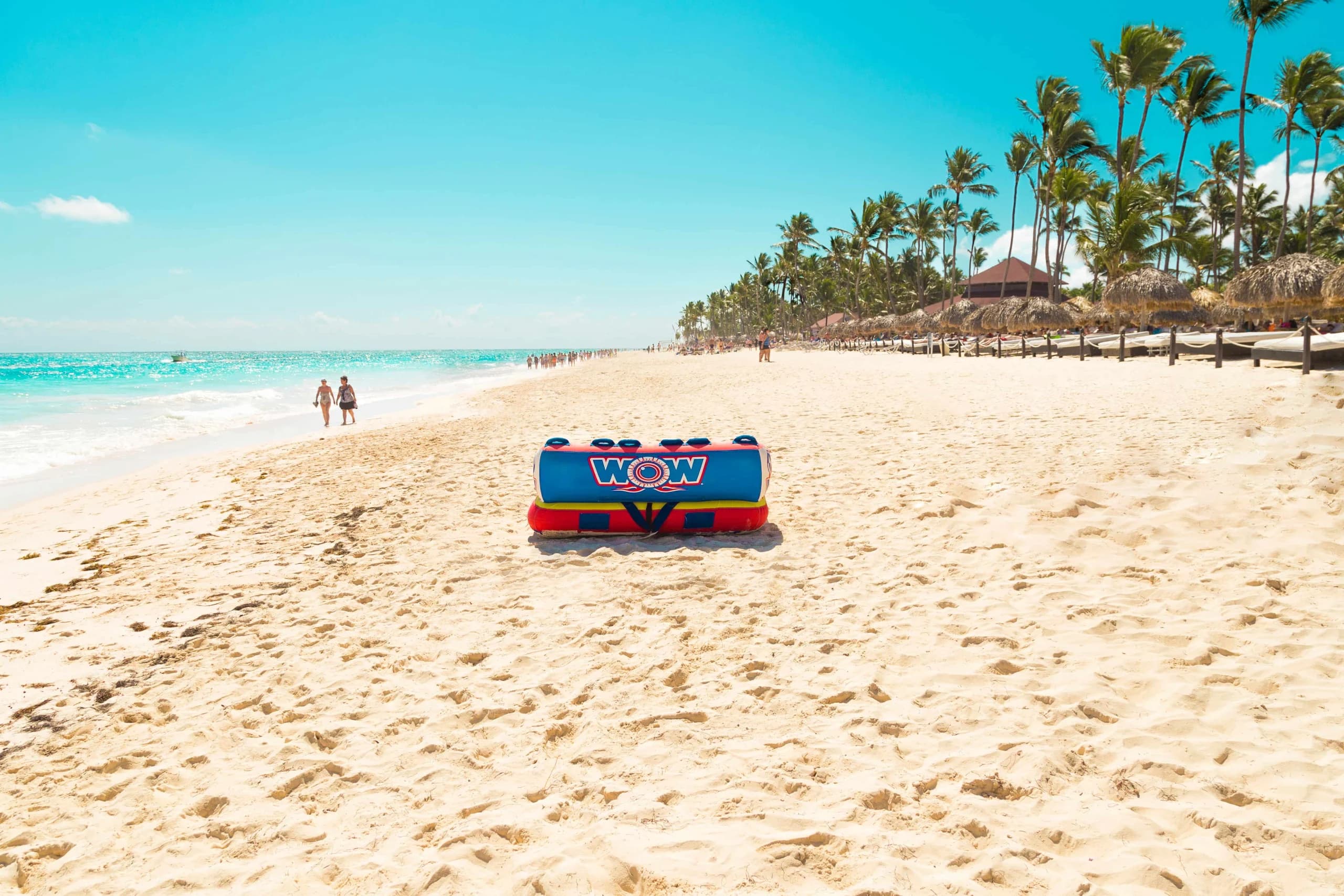
La oferta de alquiler más profunda del país — y la brecha más amplia entre el rendimiento anunciado y el realmente obtenido.
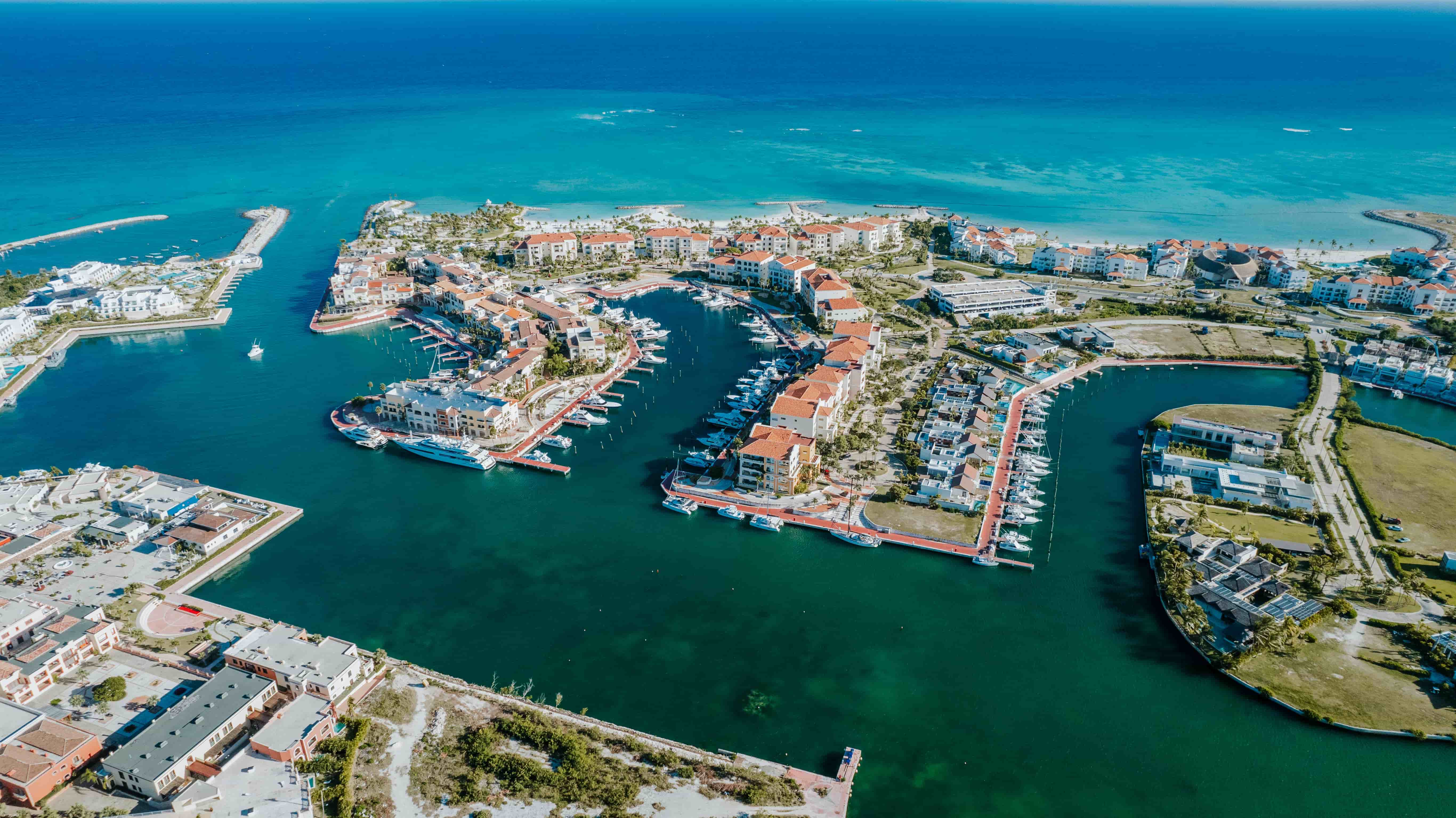
Ultra lujo, oferta controlada, apreciación de capital.